Wednesday, February 28, 2007

Oscar Mania - World Saving Tips for Celebrities and their Fans (part 1 of 2)


Anyone watch the Oscars on Sunday? I thought Ellen was hilarious and did an amazing job especially with her vacuuming the red carpet bit. Beautiful gowns, handsome men, extra sumptuous Leo Di Caprio; what a glamorous night!

Another very handsome man who stood out and got his very deserving share of attention for the night was Al Gore. Oscar night marked a big personal victory for him who in the 2000 left politics after narrowly losing to George W. Bush. Since then, he embarked on a new campaign calling awareness to the threat of global warming.

My fellow Americans, people all over the world, we need to solve the climate crisis," Gore, the star and narrator of the documentary ‘An Inconvenient Truth’ (it won best documentary), said after taking the stage. "It's not a political issue, it's a moral issue. We have everything we need to get started, with the possible exception of the will to act. That's a renewable resource. Let's renew it."

'Way to go Al! '.

Keeping in sync with the ‘Go Green’ phenomenon, this year, the Oscar academy and the entire production team selected supplies and services with sensitivity toward reducing the threats we face from global warming, species extinction, deforestation and toxic waste. With guidance and assistance from the Natural Resources Defense Council, they realized that it was easy (and often cost effective) to make simple changes to reduce Oscar's ecological footprint.

I guess you don’t have to be famous to care.

With help from http://www.oscar.com/ and http://www.nrdc.org/, here are some World Saving Tips for Celebrities and their Fans.

Saving Energy on the Road

  • Look for more fuel-efficient, less polluting cars. A car that gets 20 miles to the gallon will emit about 50 tons of carbon dioxide over its lifetime. Double the gas mileage and you cut the emissions by half. Investigate the many new ultra-clean alternative fuel vehicles available. Reconsider extra features such as automatic transmission and 4-wheel drive -- they are often unnecessary and eat into gas mileage.

  • Keep your car in good condition. Get your engine tuned up regularly, change the oil, and keep your tires inflated properly -- proper maintenance can increase your car's fuel efficiency by 10 percent and reduce emissions.

  • Cut driving miles. Each gallon of gas your car burns releases about 22 pounds of atmospheric-warming carbon dioxide. Cutting your driving by just five miles each day would contribute to keeping tons of carbon dioxide from entering the air.

  • Carpool. If every car carried just one more passenger on its daily commute, 32 million gallons of gasoline (and the pollution produced by it) would be saved each day.
    Leave the car at home. Get in the habit of riding buses or trains as often as you can (just think of all the new people you'll meet!). For short distances, ride a bike or walk whenever possible.

  • Encourage community leaders to build bike lanes and sidewalks, as well as cycling and pedestrian-only streets

Thursday, November 02, 2006

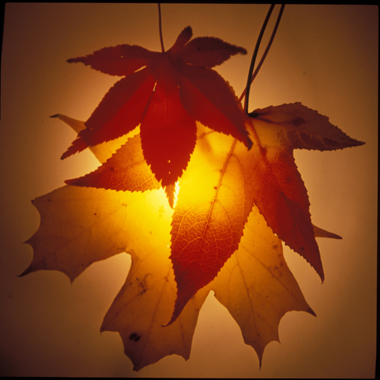
Autumn Leaves Keep Falling On My Head


It's almost dark every evening when I leave from work; very dark by the time I get home. Where has all the sunlight gone? Finding some appreciation in the beautiful autumn foliage around me and loving the one hour of extra sleep I got this Sunday morning however gives me something to live for till spring. Till then what can I say but, “fall is here”!

With the dropping leaves comes bringing out my fleece throw, flannel pj's and turning on the fireplace at every opportunity I get. Hey, even though it’s California, 50 degrees to me is COLD! (What can I say, I’m spoiled!)

With fall also comes high energy consumption for those extra-warm blooded individuals like me. So trying to make my peace with the falling leaves till spring gets here, here are some “money” and world saving tips to help you thru the chilly evenings.

- Setting your thermostat just a few degrees lower in fall and in the winter can translate to substantial savings on your utility bills

- Taking shorter showers saves water and the energy used to heat it. Plus, for the women, it dries out your skin a lot lesser!

- Washing clothes cold water consumes far less heating than necessary. Although this applies all the year round, in fall and winter it costs a lot more to give your whites that extra warm wash.

With that, stay warm, bring out a nice bottle of wine, and enjoy some pumpkin pie.


Tuesday, October 17, 2006

Not Just Horsin' Around


News on horse slaughter for food and export has been going around a lot lately; I was contacted by the US SPCA to vote on a bill that opposes the export of horse meat. That got me thinking, where do we as people draw the line on what is an acceptable meal and what’s not?

Am I not being biased when I eat Peking duck at P.F. Changs (yummy btw) and veal (cute in my opinion), but horse meat is beneath my righteous self? Or is it simply because I have a soft spot for Sea biscuit and secretly wanted to be a jockey growing up, before I realised I couldn't make the weight cut? Who am I to decide what is fit for consumption and what’s not?

That being said, and me continuing to be the selfish and biased person that I am, I researched and tried to find reasons to oppose horse slaughter by looking at it from the environmental perspective. Does it cause enough environmental harm to oppose it? (I do need a reason to post it to the blog too, right?).

Myth: Horse slaughter does not cause environmental harm.

Fact: The primary options to dispose of horse carcasses, other than processing at slaughter facilities, include burial, rendering, cremation, placement in a landfill, and composting. However, disposal regulations and methods are state and county issues, and they vary from locale to locale. Not all options are available to all horse owners in all areas, and the inevitable disposal of an additional 70,000 horse carcasses per year will create environmental problems.

Fact: Two out of three slaughter houses are in violation of current environmental law related to the disposal of blood and other waste materials.

Fact: Scavenger species can be killed by chemical agents in discarded tissues. Burial is not permitted in many areas, and chemicals can contaminate the soil. Other disposal methods, such as bio-digestors, show promise but are not yet readily available.

There I feel better already. My world saving tip for the day: Vote NO on horse slaughter.

Friday, October 06, 2006

The True Meaning of Pseudo

Lazy.

I've been horribly sluggish with my writing these last few weeks; no excuses acceptable.

I promise to be a lot more regular. The world doesn’t change with one post; nor did it with three.

With apologies from the lazy tree-hugging hippie.

Friday, September 15, 2006

Medium-Well Please

Anyone who knows me would know that the last couple of weeks have been exceptionally hard on my stomach. My mother in law is visiting and she’s vegetarian. What this means to a devout carnivore like me is no cooking meat at home, no more take out and no more steak dinners with my friends.

Studies (I choose to ignore most of the time) show, that industrial meat production requires huge energy inputs and creates noxious waste. It takes far more fossil-fuel energy to produce and transport meat than to deliver equivalent amounts of protein from plant sources. The heavy use of carbon-rich fuels also contributes significantly to the emissions of global-warming gases.

Blah! Blah!

I guess what I’m trying to say is that; strict vegetarianism isn’t for everyone (definitely not me). I’ve been a little unhappy, but one less steak a week hasn’t killed me. Not yet anyway.

So, World Saving Tip #3: Replacing one meaty meal with a vegetarian meal, saves you money and possibly the world; one steak at a time.

Friday, September 08, 2006

Ah! The Bathroom Lights!

Three years ago, my best friend was living with me for a while. I came home from work one evening to an apartment in complete darkness. She had one tiny light on. She was saving electricity. When she did dishes, she washed plates under a trickle of water. She was conserving water. Well, my friend is an environmental engineer, ground water tester…umm something along those lines.

I don’t do it for the conservation. I enjoy dim lighting. If I’m home alone, I have one lamp on. I remember to turn off lights when I walk from one room to another. The bathroom in our town home came with a fancy 12 bulb lighting structure; I use the 2 bulb option. Not really to conserve anything, just 'cos I hate the glare of bright lights.

Quite the opposite, my husband wants everything lit like he’s picking lint off his shirt. We argue incessantly; mostly about bathroom lights. Now I have an excuse. I’m saving the world, one light bulb at a time.

Random thoughts of an environmentalist that never was

I'm what ecologists would call a pseudo- environmentalist in a corporate world. I think about things like pollution and global warming. I occasionally have ideas and plans. And shortly after, the inspiration dies. What’s good an idea, if it isn't shared and if no one acts on it?

Truth is, like most busy professionals, I am too busy juggling work and home, planning dinner and thinking about what I need to do to get my next big raise. Most of my ‘save the world’ or ‘what’s my true calling’ thoughts have come to me while driving back home from work, mostly when I’m exhausted after a grueling day sitting at my desk and doing what I do best - working at my computer.

I keep myself happy by believing that I do my bit. I volunteer, occasionally toss that recyclable product in the right bin and carry my milk home without a plastic bag.

Should I be doing more? Does it really make a difference if I incorporate trivial changes in my daily life? One day at a time they say; but is that really enough? Could I, the lazy and busy pseudo- environmentalist really come through and go-green?